


Flexible garden borders: when are they better than straight borders?
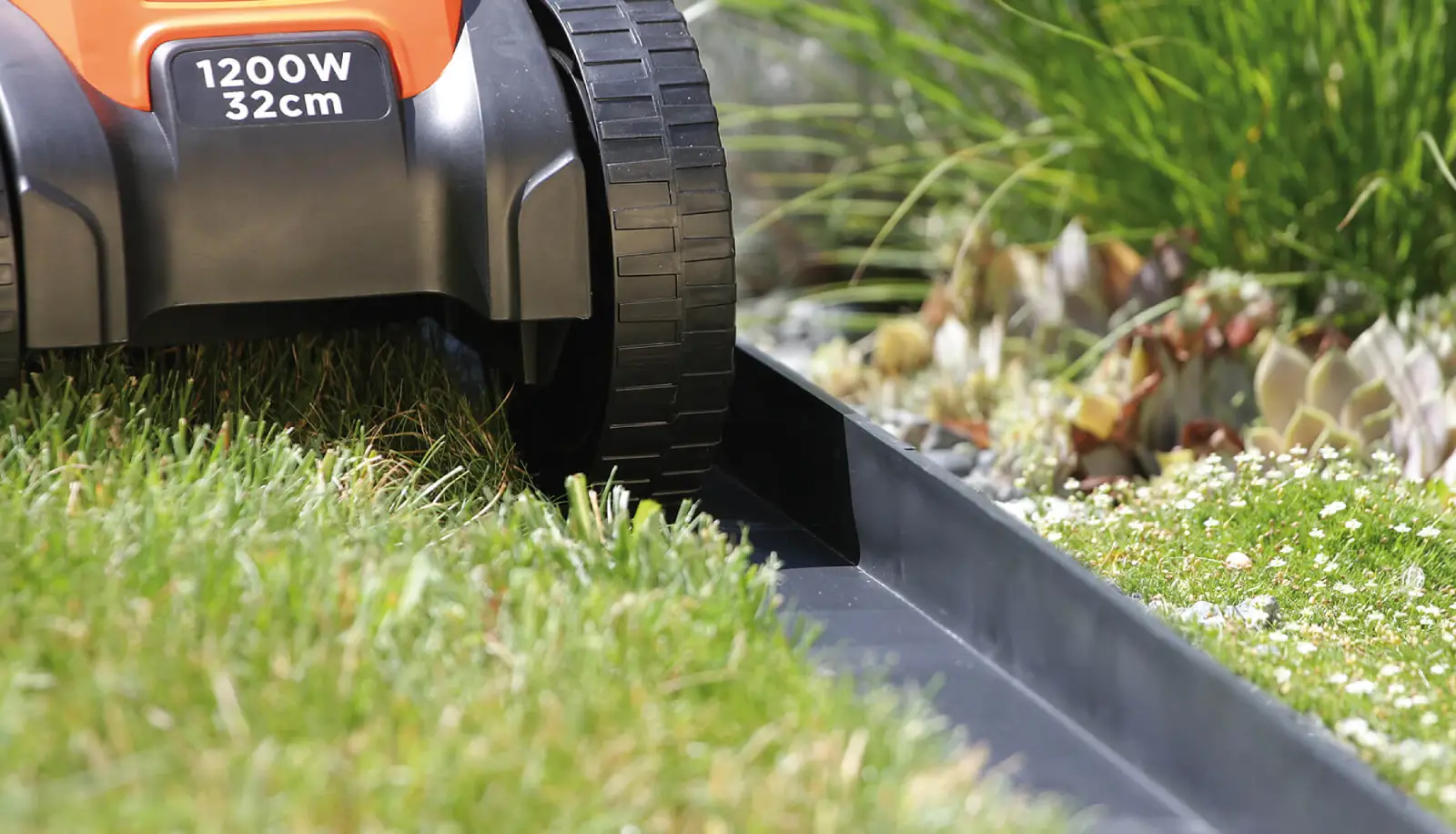
Flexible Garden Edging they help guide the flowerbed line, as it relates to the shape of the garden, and not to the limitations of a rigid element. This is especially important for arches, gravel paths, flowerbeds around trees, and naturalistic plantings. A simple border still has its place, but not in every garden it will be the best choice.
You can find more of this content at our blog.
Highlights
Flexible Garden Edging it works where the garden has arches, irregular flowerbeds, or soft transitions between zones.
A straight border is better with clear technical divisions and heavier surfaces.
The durability of a flexible edge is determined not only by the material, but also by the radius of the arc, the preparation of the base and the number of attachment points.
When does a flexible curb have an advantage over a straight curb?
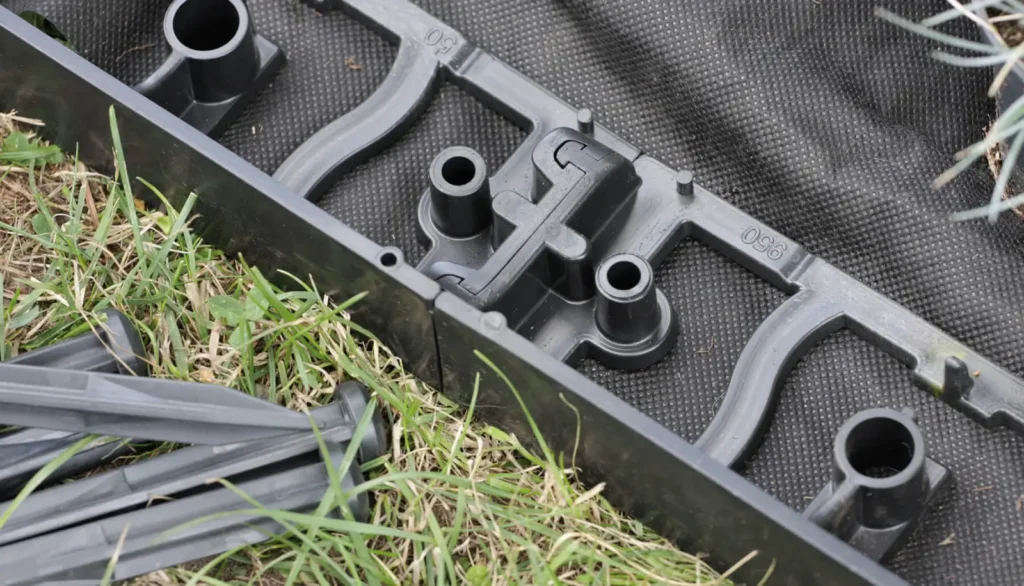
Flexible edging they work best in gardens that are rarely a perfect grid of straight lines. Garden owners want to separate the lawn from the flowerbed, make a path along the arch, close the bark around the plantings, or lay a thin line at the decorative stone. In such situations, flexibility is not an option. This is the main function.
If the main goal is to draw a line in an arc, a good starting point is flexible lawn edging, which may correspond to the discount form or path.
A simple border creates a solid border. This is a good solution for driveways, sidewalks, simple alleys and modern gardens based on geometry. The problem occurs when the user wants to get liquid form. Rigid components often require cutting, fitting, more joints, and more labor-intensive assembly.
Flexible Garden Edging it works differently. This allows you to draw a line in accordance with the discount design, and not vice versa. You can use it to gently walk around a tree, create a semicircle around the lawn, select an irregular bed, or draw a border between bark and turf without the effect of a crushed edge.
Better use of flexible edging garden
Best Use flexible edging garden services this:
In soft lines discount also worth checking out PalisGardenespecially where the edging is intended for cleaning lawn, bark, or decorative stone.
- discounts with soft natural shapes,
- gravel paths laid in an arc,
- edging around trees and shrubs,
- separating a lawn from bark or stone,
- home gardens where quick assembly is important,
- upgrade the existing garden without heavy earthworks.
It is worth remembering that flexibility does not mean lack of stability. The edging must be properly anchored to the ground. The stronger the bow, the more important it is to properly distribute the attachment points. A well-installed flexible edging should not change shape during normal garden use.
When is it best to stay on the straight shoulder?
When is it best to stay on the straight shoulder? When the project requires a very clear, technical edge. If the rim needs to limit heavy coverage, withstand heavy loads, or create a strong architectural separation, a classic curb may be justified. Not everything in the garden needs to be flexible. This is a matter of conscious selection, not a single response to each case.
Flexible Garden Edging they are particularly well suited for gardens that need to look light. This solution allows the lawn to pass smoothly by the flowerbed, and the border can be read without creating a visual barrier. In a naturalistic garden, such an edge arranges the composition, but does not take away its freedom.
Errors when hovering arcs and soft lines
The most common mistake this arch is too tight. Each material has its own work boundaries. If the user tries to set a very small radius, the border may become uneven. Second error this is not a fitting. Before installing, you should lay out a line on the ground and evaluate it from several places: from the terrace, from the window, from the path and from the point from which the garden is most visible.
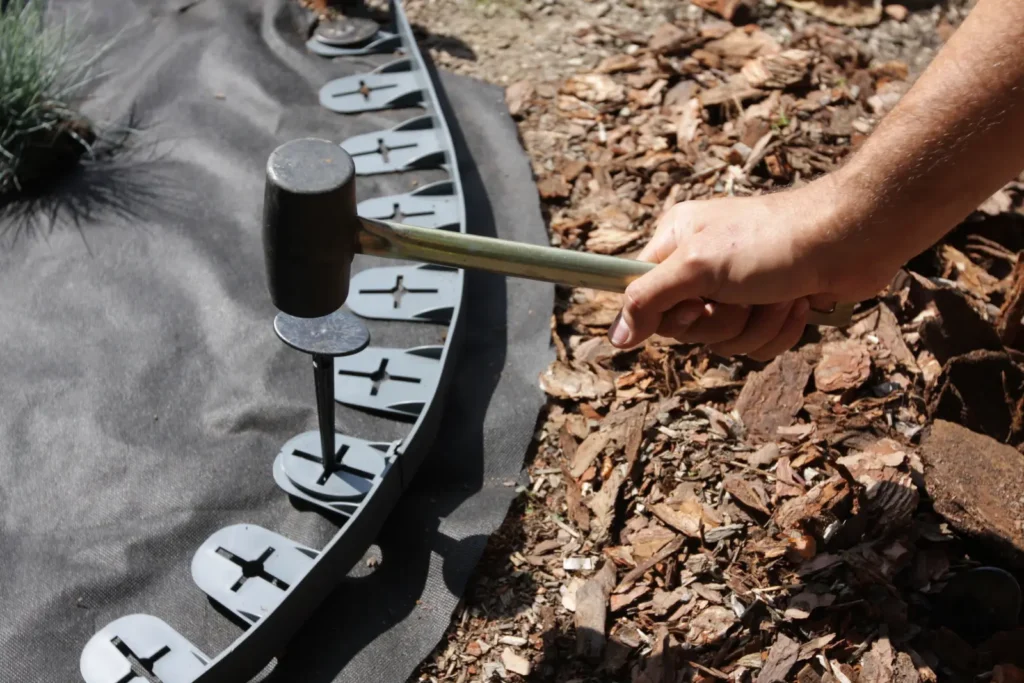
On arches, fastening is especially important, so when planning, you should immediately pick up mounting anchors or mounting pins.
Third error this is a mismatch between the height and the material. With bark and fine stone, the edge should hold the material. On the lawn, he should first mark the line and facilitate the haircut. With gravel, you should take care of more stability, because the material works under your feet.
In practice flexible edging this is best when the user wants the garden to look designed, but not heavy. This is a small element that allows you to draw a space. And a good line in the garden acts like a picture frame: it doesn't need to shout to see the difference.
How do I draw a flexible line to make it look natural?
Flexible edging garden it is best to plan before the plants are planted and the mulch rushes out. Put the garden hose or twine on the ground and leave it for a while. Check the line from the terrace, from the entrance to the garden and from the place where you most often look at the bed.
With arcs, fluidity is important. One longer, quieter bow usually looks better than a few shorter bends. If the garden is to be neat, the edging should guide the eye, not create a random series of curves.
Also leave room for plants to grow. The bed should not be assigned exactly according to the current contour of the seedlings, since after the season the composition will be wider. You should keep the margin for overgrowth, care and re-pouring of mulch.
If you are in doubt between a straight line and an arch, choose the line that results from moving through the garden. The path, flowerbed and lawn should lead naturally. A well-drawn arch can visually enhance the garden, while a random one will create chaos.
What is the most important thing in practice?
Flexibility gives you freedom, but it doesn't free you from planning. The most common problem occurs not because of the edging itself, but because of trying to force an arc that is too tight or too sparse. A good line should look calm from several points of view: from the terrace, from the entrance to the garden, and from the place where you most often look at the bed.
FAQ
Is it possible to lay flexible garden edging in a circle?
Yes, if the product is designed to shape arches and will be properly fixed.
Is flexible edging suitable for straight lines?
Yes. Flexible edging can also be used with straight sections, especially when we care about easy installation.
Which is more important: flexibility or fixation?
Both elements are important. Flexibility allows for shaping, and the mount retains that shape over time.
Resume
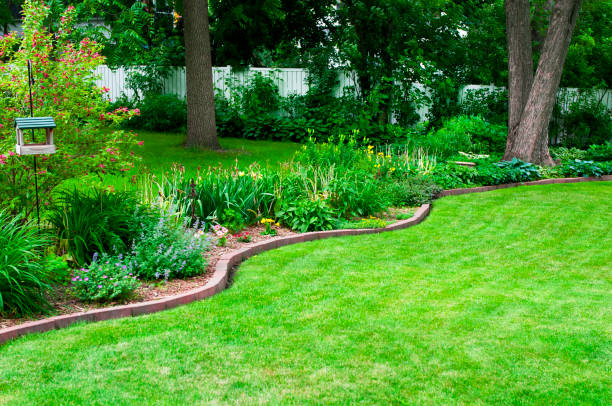
Flexible edging garden it has the greatest advantage where the garden is not a geometric grid, but an arrangement of arches, beds and soft transitions. A well-laid line gives a natural effect and avoids heavy, visible curbs.
Need expert advice in the context of the fact that outskirts choose one? Welcome to contact information!