


The choice of Garden edging depends on its intended use. Its varied functional properties and the possibility of almost unlimited shaping into curves, straight sections or right angles make it suitable for use in gardens, along lawns, car parks, paths or garages. It is useful for creating organised sections that make garden work easier and help limit uncontrolled plant growth. The durable plastic material, made from 100% recycled material, allows different areas, paving stones, walkway and terrace tiles, as well as loose surfaces, to be separated and stabilised. Solid section-to-section connection with locking systems and holes for dedicated anchors or pegs significantly simplify fixing the product to the ground and prevent it from moving.
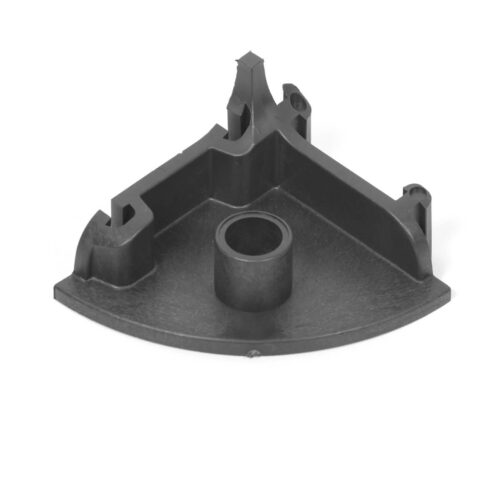
Connector for Garden edging
Nipple Inside GR-45
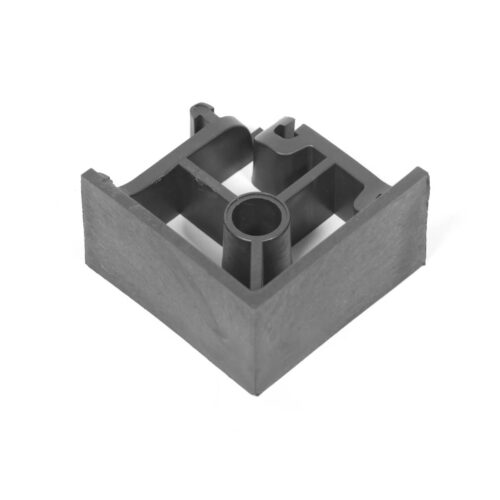
Connector for Garden edging
Nipple Outside GR-45
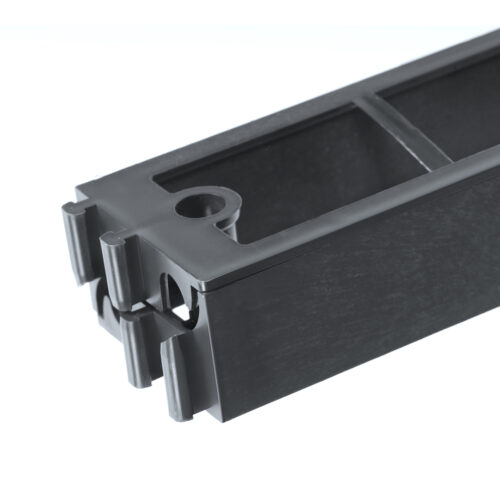
Garden edging
GARDENRAND 45 LIGHT
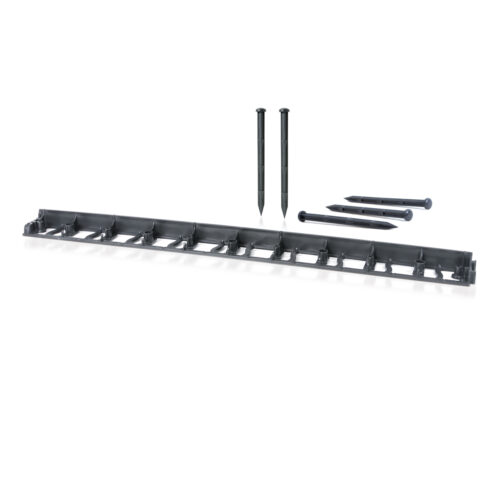
Garden edging
GARDENRAND 45
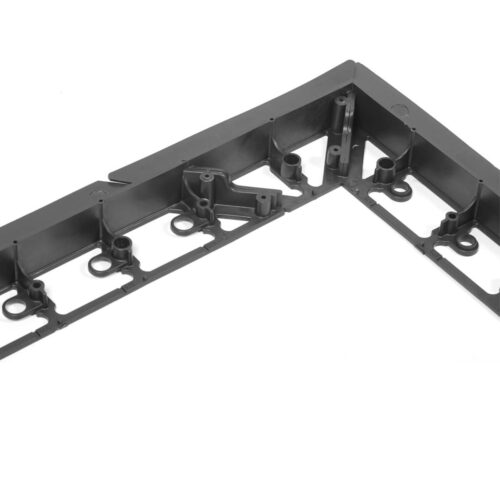
Connector for Garden edging
Nipple LINE CRR-55
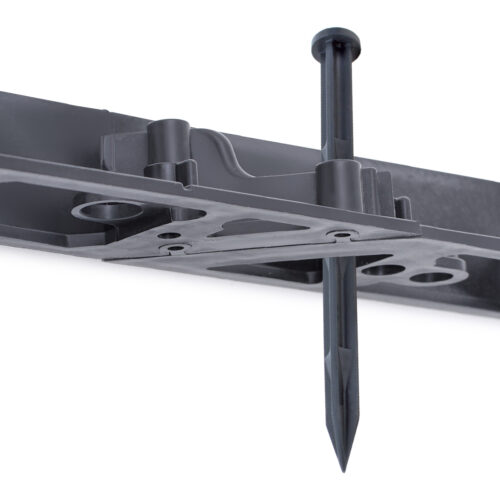
Garden edging
GardenRand 55
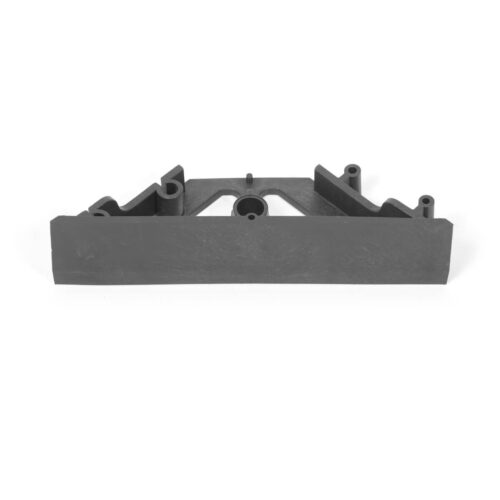
Connector for Garden edging
Nipple Line GR-55
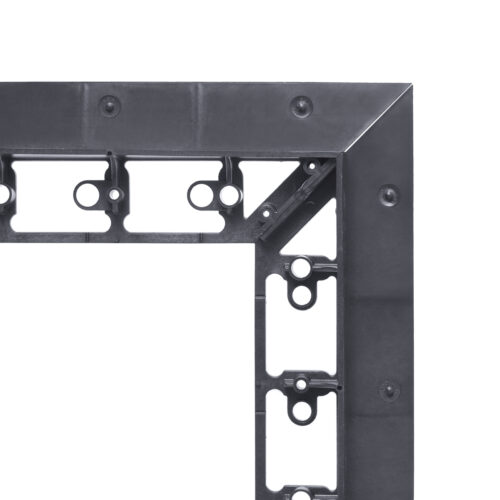
Garden edging
Cornerrim 55
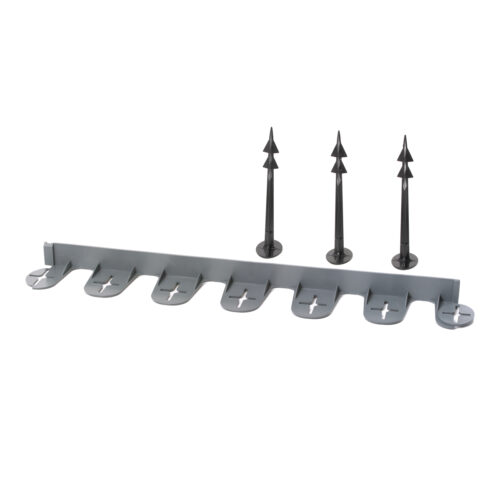
Garden edging
PalisGarden
Our products are made from high-quality raw materials intended for the production of plastics.
Thanks to this, these products are characterized, among other things, by high resistance to atmospheric factors.
Garden edging they work where the garden needs a clear boundary of use. They help separate the lawn from bark, gravel, decorative stone, flowerbeds, paths, or paving stones. Thanks to this, the surfaces do not mix with each other, the plants do not grow beyond the designated area, and the care of the garden is facilitated.
This category should answer the question first: how do I choose a border for a specific application? Another solution requires a light bed near the lawn, another path from the unit, and another edge at the ankle or terrace.
The choice takes into account the height of the edging, the method of connection, the possibility of bending and the fastening system. Models GARDENRAND 45 i GardenRand 55 they are well suited for separating lawns, paths, and loose surfaces. Cornerrim 55 it has a corner design that can make it easier to mow at the edges and create screeds around buildings. Connectors Nipple they allow you to guide corners and technical sections more precisely.
Edging it performs its function only when it is stable on the ground. Therefore, in this category, you should combine the selection of edging with the selection of dowels or anchors. Mounting holes, joints, and properly selected fasteners limit edge slip, especially on longer sections, arcs, and pressure-prone surfaces.
Garden edging serves a more technical purpose than garden palisades. Its primary function is to stabilise borders and separate different materials within the garden. Garden palisades are more often chosen when a boundary is intended to be more visible and decorative.
Yes, the selected models Garden edging GardenPlast can be used with paving stones, patio tiles, and loose surfaces. The choice depends on the height of the edging, the ground and the method of attachment.
This depends on the edging model, the length of the section, the type of ground, and the course of the line. For arches, corners, and less stable ground, you should increase the number of attachment points.
Yes, some of the edging can be formed into arches, but with more technical shapes, you should use suitable joints. Always check the capabilities of a specific model.
They vary in height, design, and application. Lower models will work with lighter arrangements, and higher ones may be better with surfaces that require stronger separation.